
Mastering Construction Invoicing: Methods and Best Practices

People often talk about how complex construction projects have become, and for good reason. Between tight timelines, multiple teams, and countless moving parts, keeping everything (and everyone) aligned can be challenging. Another component that adds complexity? Project finances.
From subcontractors and supplier bills to change orders and progress payments, managing the financial side of a project is no small feat. That's why accurate, timely invoicing isn't just important—it's essential. In this deep dive, we'll explain how construction invoicing works, why it matters, and how to get it right to keep cash flow on track.
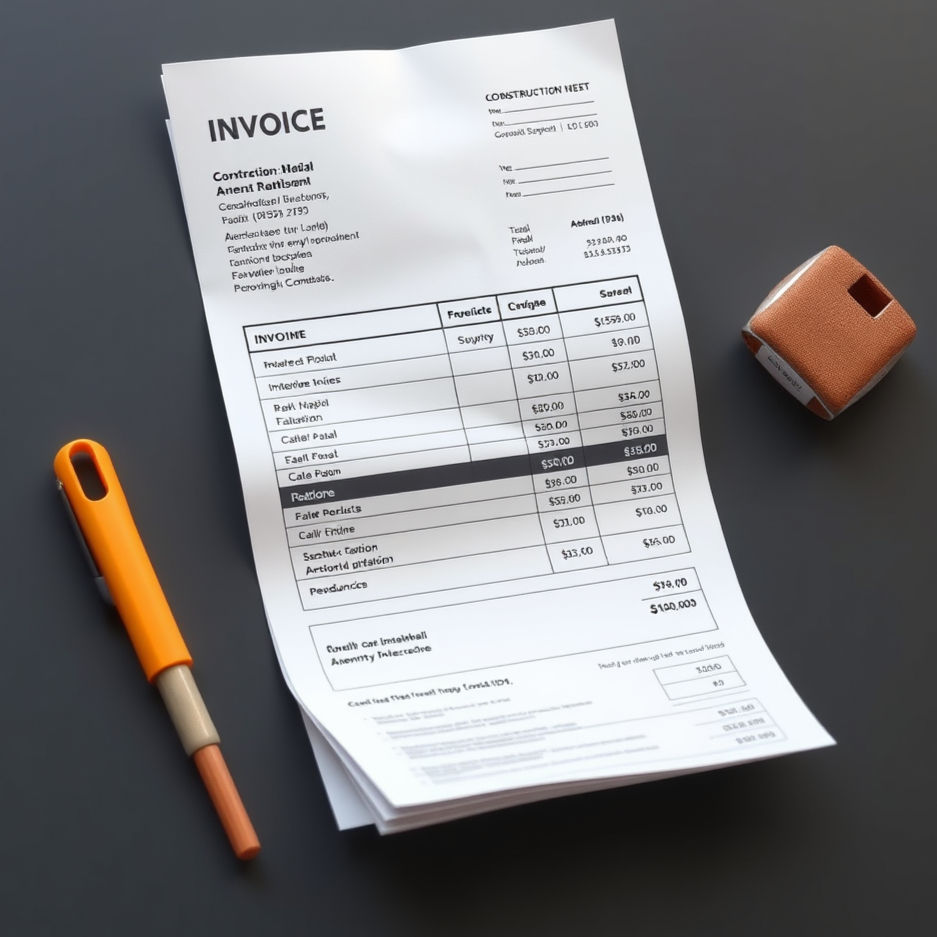
TABLE OF CONTENTS
What is a construction invoice?
The key components of a construction invoice
How does construction invoicing differ from other types of invoicing?
Types of construction invoicing methods
Best practices for streamline billing
What is a construction invoice?
Unlike a standard retail receipt, a construction invoice is a detailed request for payment for work
performed or materials supplied over a specific period. Because construction projects often last months or years, these invoices are rarely for a single, final transaction.
The key components of a construction invoice
A professional construction invoice should be clear, concise, and thorough to avoid payment delays.
Essential elements include:
Project Identification: Contract name, project number, and site address.
Line Items: Clearly broken down work phases or materials based on the Schedule of Values (SOV).
Retainage: A specified percentage (e.g., 5-10%) withheld by the client until project completion.
Change Orders: Explicitly itemized adjustments to the original contract.
Supporting Documentation: Timecards, receipts, or photos of completed work.
How does construction invoicing differ from other types of invoicing?
In retail or consulting, invoicing is often triggered by the delivery of a finished product. In construction, invoicing is typically project-based and iterative. It requires balancing cash flow against complex contractual obligations, such as lien waivers, compliance certificates, and the aforementioned retainage.
Types of construction invoicing methods
Choosing the right billing method is critical for project success:
Progress Billing (AIA G702/G703): The industry standard for large projects, billing based on the percentage of work completed.
Time and Materials (T&M): Best for small projects or when the scope is uncertain.
Milestone Billing: Payment is triggered when specific, pre-agreed phases (e.g., foundation
completion) are reached.
Lump Sum Billing: One single payment at project completion, typically reserved for very small, short-term jobs.
Best practices for streamlined billing
To maximize cash flow and minimize disputes, keep these best practices in mind:
Be Consistent: Send invoices on the same day every month.
Detailed SOV: Use a clear Schedule of Values to ensure the owner and contractor are in agreement on what constitutes "completed work."
Automate: Use construction-specific accounting software to reduce manual errors.
Prompt Follow-up: Don't wait until the end of a payment cycle to track outstanding invoices.
Construction invoicing is the lifeblood of your project's financial health. By standardizing your methods and maintaining clear communication with your clients, you ensure that your projects remain as profitable as they are impressive.


टिप्पणियां